
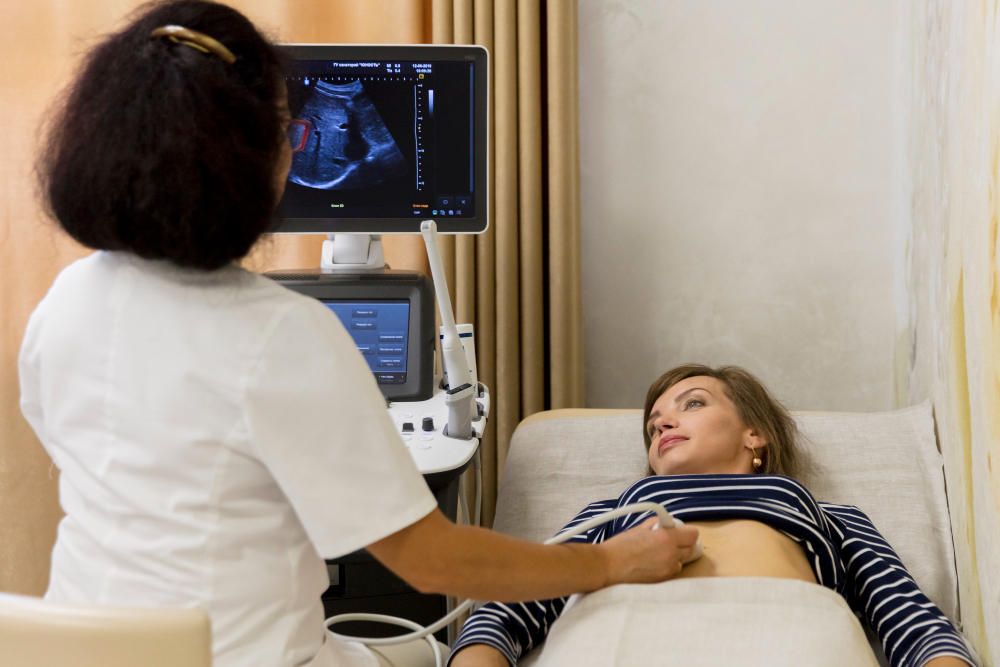
What is a Fetal Cardiac Scan?
A fetal cardiac scan is a special ultrasound that checks your baby’s heart before birth. Doctors also call it a fetal heart ultrasound or fetal echocardiography. This scan uses sound waves to create pictures of the baby’s heart while still in the womb. Because it is safe and painless, many parents feel at ease during the test. The scan helps doctors see how the baby’s heart looks and works.
Why is a Fetal Cardiac Scan Important?
Fetal cardiac scans are important for many reasons. First, they help find heart problems early. Early detection means doctors can plan the best care for your baby. In addition, some heart issues can be treated before or soon after birth. This scan also gives peace of mind if everything looks normal. According to the Centers for Disease Control and Prevention (CDC), early screening can improve outcomes for babies with heart defects.
When is a Fetal Cardiac Scan Recommended?
Doctors may suggest a fetal cardiac scan if:
Usually, the scan is done between 18 and 24 weeks of pregnancy. However, your doctor may recommend it earlier or later if needed.
How is the Procedure Performed?
The fetal cardiac scan is simple and non-invasive. Here is what usually happens:
The scan usually takes 30 to 60 minutes. Sometimes, it may take longer if the baby is moving a lot.
What to Expect During and After the Scan
During the scan, you may feel a little pressure from the transducer, but it should not hurt. The gel may feel cool at first. Most parents find the process easy and comfortable. After the scan, you can wipe off the gel and return to your normal activities. Your doctor will explain the results, often on the same day or at your next visit.
Safety and Risks
Fetal cardiac scans are very safe. They use sound waves, not radiation, so there is no risk to you or your baby. The World Health Organization (WHO) and other health groups say that ultrasound scans are safe when done by trained professionals. However, only have scans when your doctor recommends them. Unnecessary scans are not helpful.
Frequently Asked Questions
Prevention and Lifestyle Guidance
While not all heart problems can be prevented, you can lower risks by:
Early and regular care helps keep you and your baby healthy.
Conclusion and Next Steps
In summary, a fetal cardiac scan is a safe and helpful way to check your baby’s heart before birth. It gives important information and peace of mind. If your doctor suggests this scan, do not worry. The procedure is simple and safe. For more details or to schedule a fetal cardiac scan, consult a radiologist or your healthcare provider for personalized advice.