
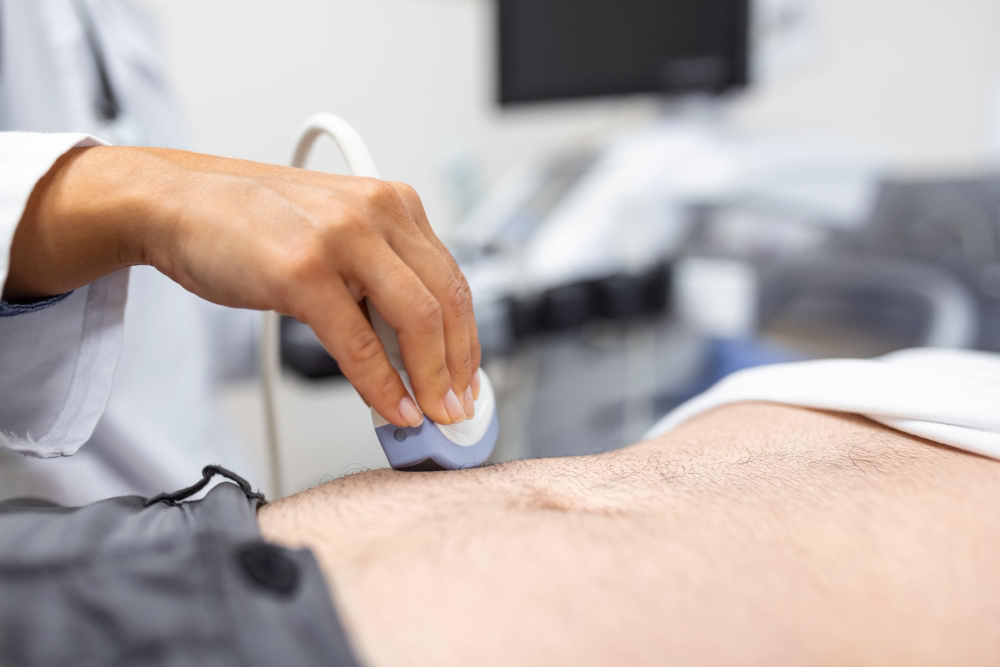
What is an Ultrasound KUB?
Ultrasound KUB is a safe and simple test. It uses sound waves to create pictures of your kidneys, ureters, and bladder. These organs help your body remove waste. Doctors often use ultrasound KUB to check for problems in these areas. Because it does not use radiation, it is safe for most people, including children and pregnant women.
Why is an Ultrasound KUB Performed?
Doctors order an ultrasound KUB for many reasons. For example, you may have symptoms like pain, blood in urine, or trouble passing urine. Sometimes, your doctor wants to check for kidney stones or infections. In other cases, they may look for swelling, tumors, or blockages. An ultrasound KUB helps find the cause of these problems quickly and safely.
How to Prepare for an Ultrasound KUB
Proper preparation helps get clear images during the KUB ultrasound procedure. Your doctor will give you instructions. However, most people need to follow these steps:
Sometimes, you may need to avoid eating for a few hours before the test. Always check with your doctor about ultrasound KUB preparation.
The Ultrasound KUB Procedure: Step-by-Step
Knowing what to expect can help you feel calm. Here is a step-by-step guide to the KUB ultrasound procedure:
The procedure is painless and does not require any recovery time. You can return to your normal activities right away.
Understanding Your Ultrasound KUB Results
After the test, a doctor will review your ultrasound KUB results. They look for signs of kidney stones, swelling, tumors, or other problems. Sometimes, the doctor may find normal results, which means your kidneys, ureters, and bladder look healthy. In other cases, they may find something that needs more tests or treatment. Your doctor will explain what the results mean and discuss the next steps with you.
Benefits and Limitations of Ultrasound KUB
Ultrasound KUB offers many benefits. For example, it is safe, quick, and does not use radiation. It can help diagnose many urinary problems. However, there are some limitations. Sometimes, small stones or tumors may not show up clearly. Also, the test may not give enough detail in some cases. Even so, doctors often use ultrasound KUB as a first step before other tests.
Frequently Asked Questions about Ultrasound KUB
Conclusion and Next Steps
In summary, ultrasound KUB is a safe and helpful test for checking your kidneys, ureters, and bladder. It is easy to prepare for and does not cause pain. If your doctor suggests this test, you can feel confident about the process. For personalized advice about ultrasound KUB, consult a healthcare professional.